

Do I need a shoulder replacement?
Shoulder replacement resurfaces the worn ball-and-socket joint with an implant to relieve arthritis pain that injections and therapy no longer control. There are two kinds: anatomic, when your rotator cuff still works, and reverse, when it doesn't. Picking the right one matters more than almost anything else, and many people who ask us hear "not yet."
The two operations
- Anatomic
Same design as the original
New ball, new socket, same arrangement. The choice when arthritis wore out the joint but the rotator cuff still works. Motion and strength return close to natural.
- Reverse
The engineering workaround
Ball and socket switch places so the deltoid takes over for a failed rotator cuff. This is the operation for shoulders that once had no option.
- Which one?
Your anatomy decides
Imaging and cuff testing settle it. Dr. Chin was the first surgeon in Texas to use the Medacta NextAR augmented-reality platform, which maps your shoulder in 3D before surgery.
The path most shoulders take
- Symptoms
The quiet trade-offs
Reaching hurts, then sleeping hurts, then you're doing your hair with the other hand.
- First moves
Everything short of surgery
Therapy with our in-house PT team, activity changes, injections. Plenty of shoulders settle here.
- The line
When replacement earns its place
Night pain, a shrinking reach, imaging that shows the joint is worn through, and conservative care that no longer helps.
- The surgery
What happens
About two hours. Many patients go home the same day from the Sterling Ridge / Woodforest Ambulatory Surgical Center.
- Recovery
Reach returns in stages
Sling for 3–6 weeks, therapy from early on, everyday reach by 2–3 months, strength building through month 6. Golfers golf again.
Why patients choose Sterling Ridge for this
Dr. Paul Chin is fellowship-trained, replaces shoulders every week and plans each one in 3D. Surgery happens at our own outpatient surgery center; our surgeons also hold privileges at several area hospitals. Rehab, which makes or breaks a shoulder replacement, happens with our 38-person recovery team on the same chart. Sterling Ridge is one of the leading joint replacement practices in the Houston area, serving The Woodlands, Spring, Conroe and Montgomery County. If you're not ready, we'll say "not yet" and mean it.
What does shoulder replacement cost?
Nationally, an in-network shoulder replacement bills roughly $30,000–$55,000, most of it facility and implant costs. We're in-network with Aetna, Blue Cross Blue Shield, Cigna, Medicare and United Healthcare, and our outpatient center usually carries lower facility costs than a hospital. We verify your benefits and give you a written estimate before you decide. Full details: cost & insurance.
Common questions
How long does a shoulder replacement last?
Modern shoulder implants commonly last 15–20 years or more. Reverse shoulder replacements, once considered the short-lived option, now show similar longevity in registry data. How long yours lasts also depends on your bone quality, activity and rehab; individual results vary.
Will I get my motion back?
Most patients regain the reach daily life needs: overhead, behind the back, across the body. Pain relief is the most reliable result of all. Your rotator cuff strength going in sets the ceiling, which is why the anatomic-versus-reverse decision matters so much.
I have a rotator cuff tear. Do I need a replacement or a repair?
They're different problems. A rotator cuff tear without arthritis usually means a repair, not a replacement. A tear with arthritis (cuff tear arthropathy) is exactly what reverse shoulder replacement was designed for. Imaging settles which one you have.
The surgeon who replaces shoulders here
Board-certified and fellowship-trained. Read his story, then decide.
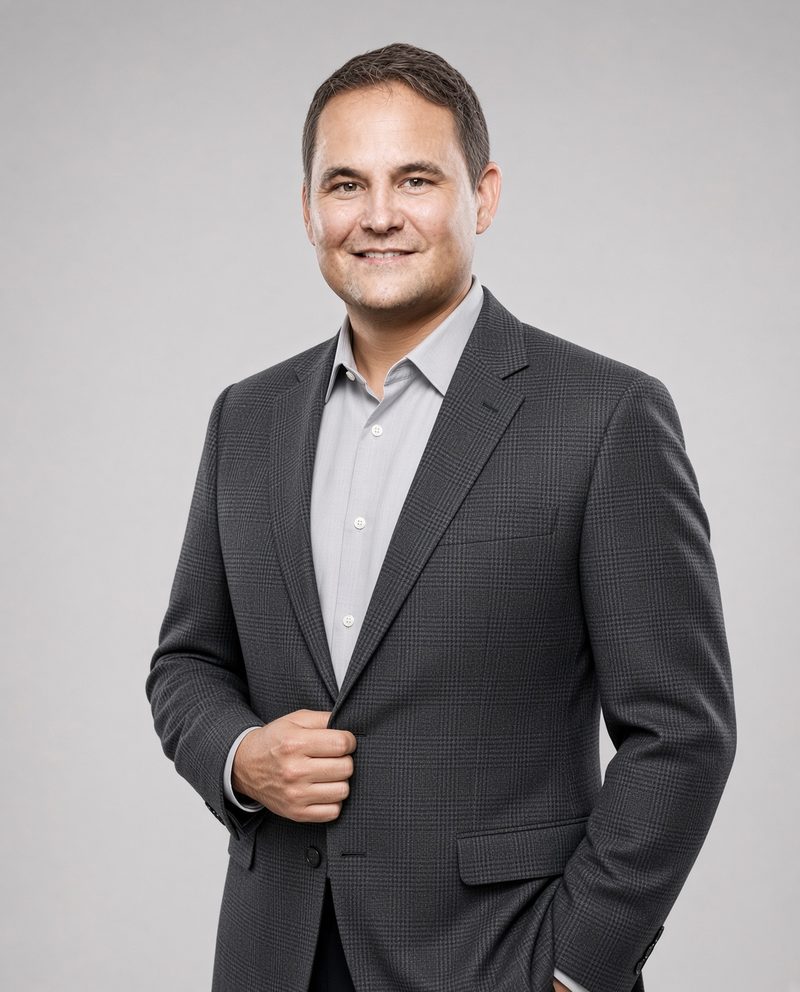 Paul C. Chin, MD, PhD, FAAOS, FAANA
Medically reviewed by Keith W.V. Johnson, MD, FAAOS · Updated October 21, 2026